
End-of-Life Documents: What to Gather and Why
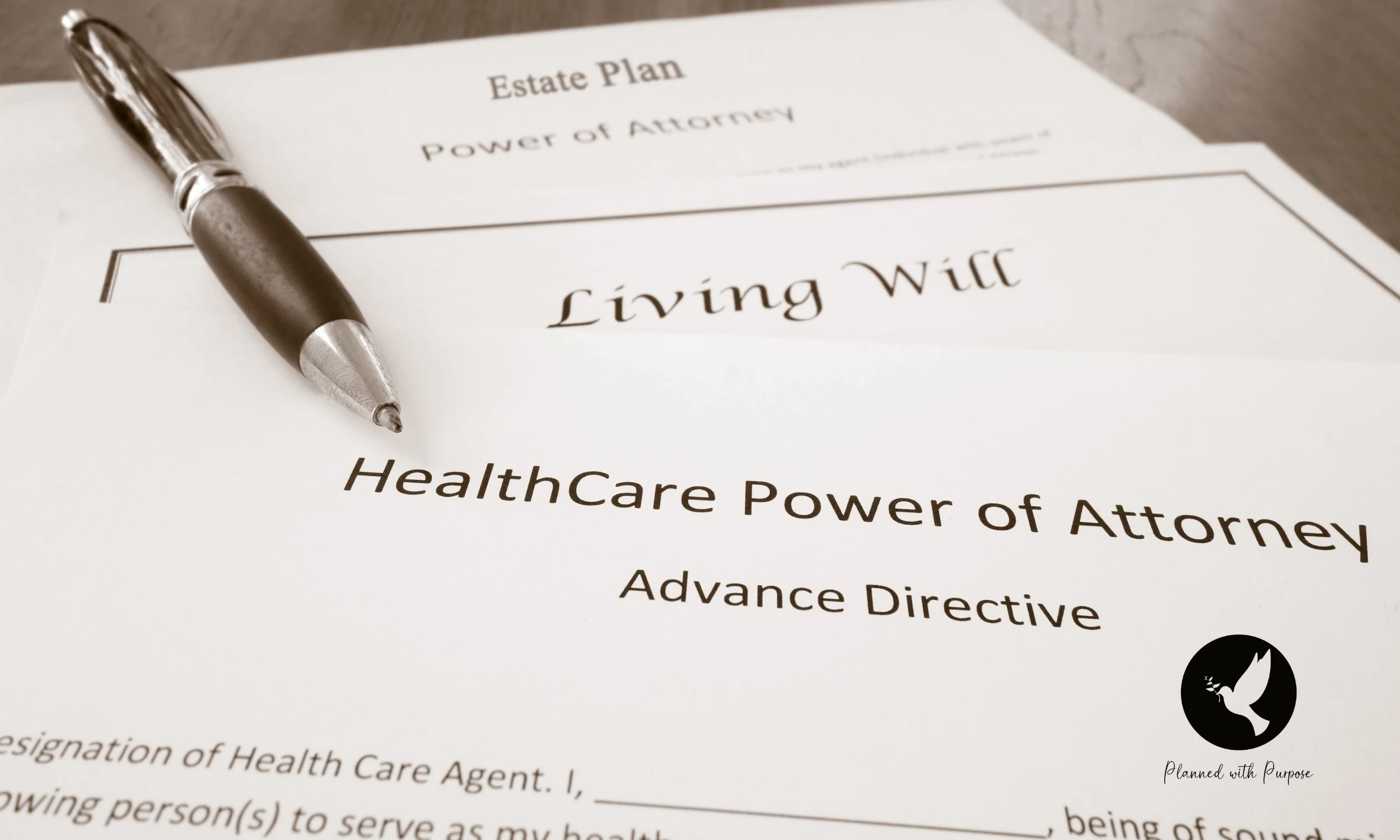
Life moves fast, and the paperwork doesn’t slow down with it. Weddings, babies, new homes, career changes, each milestone adds more details that need to be organized.
When families can’t find the documents they need, stress rises. Decisions get delayed. Emotions run high. And loved ones are left guessing during an already difficult time.
This is why an end-of-life document checklist is essential. It’s not morbid, it’s about clarity, peace of mind, and protecting your family from unnecessary stress. Plus, this checklist also helps you keep life’s documents in order in the meantime, for all the other reasons you need these important details.
Below, we’ll walk through the main documents everyone should have organized, and how to make updating them simple. You can also download a free, easy-to-follow checklist to keep everything in one place.
Why You Need an End-of-Life Document Checklist
Even if you feel your life is well-managed, details can still get lost. An end-of-life document checklist ensures that your loved ones won’t waste time searching for information or making tough decisions without guidance.
Key benefits:
Reduces stress and confusion
Protects your family’s peace of mind
Ensures your wishes are known and followed
Makes updates simple after life milestones
Essential End-of-Life Documents
Here’s a breakdown of the key areas to focus on. Plus, get the full checklist in our free download below!
Legal & Estate Documents
Will
Trust (if applicable)
Power of Attorney
Healthcare Proxy / Medical Power of Attorney
Advance Directive or Living Will
Medical Information
Health insurance details
Doctors and hospitals
Medications and allergies
Existing diagnoses
Organ donation preferences
Financial & Account Information
Bank accounts and loans
Retirement accounts
Insurance policies
Safe deposit box info
Digital & Online Accounts
Email and password managers
Subscriptions
Social media accounts
Digital assets
Funeral & Final Wishes
Burial or cremation preferences
Service details
Obituary notes
Special requests or traditions
Updating Your Checklist After Life Events
Life changes, and so should your documents. Review and update after:
Marriage or divorce
Birth or adoption of a child
Buying or selling a home
Career changes
Loss of a loved one
Regular updates make it easy to stay organized and reduce stress for your family.
The Cost of Not Being Organized
Without a clear system, when a loved one passes:
Families scramble to find paperwork
Decisions are delayed
Important wishes may go unfulfilled
Stress multiplies
A Better Way: All-in-One Planning Tools
Instead of scattered folders or sticky notes, use a system designed for organization:
Editable PDFs for easy updates
A customized binder with tabs
Everything in one accessible place
This approach is about clarity, not complexity. One system keeps documents, decisions, and preferences organized, making life easier for you and your loved ones.
Download Your Free Checklist
Start small with our free end-of-life document checklist. It’s simple, easy to follow, and helps you gather and update documents efficiently.
Once you have your checklist, be sure to get our all-in-one planning system to store everything safely, update it easily, and give your family confidence. This includes our organizational binder and tab set and Funeral & End-of-Life Planning Kit & Bundle of 4 Editable PDFs to make sure you cover everything.
Disclaimer: The information, services, and products provided on this blog post, including the custom funeral planning binder, digital download products, blog posts, tips, resources, and other related materials, are offered for informational and organizational purposes only. While we strive for accuracy and aim to help customers plan and organize their end-of-life arrangements, we do not provide legal, financial, or medical advice. The content and products on this site, including all informational resources, are not a substitute for professional services from attorneys, financial advisors, or healthcare providers. We do not guarantee the completeness, legality, or applicability of our products or information in all jurisdictions, and we are not liable for any damages or consequences arising from their use. Users are encouraged to consult with appropriate professionals for specific legal or financial advice regarding their individual situations. By using this website, you acknowledge and agree to our Privacy Policy and Terms and Conditions, and you accept that the use of our products, services, and informational resources is at your own risk.